Through a Gender Lens 2026: the Economic Security of Women and Girls in Forsyth County
Through a Gender Lens 2026: the Economic Security of Women and Girls in Forsyth County
Production Note:
You are viewing this report microsite on a mobile device. While most content is optimized for mobile, the data dashboards are best experienced on a tablet or desktop due to their interactive features.
Forsyth County, North Carolina — March, 2026
Every day, women across our community are budgeting tightly, parenting fiercely, caring for loved ones, showing up to work, and holding things together. They are making careful decisions with limited options. They are trading sleep for stability, time for money, and safety for survival. And too often, the systems around them — wages, housing, childcare, education, and healthcare — make that work harder instead of easier.
Through a Gender Lens 2026: The Economic Security of Women and Girls in Forsyth County exists because these realities are not unique to individuals. They stem from collective conditions. And they deserve to be named, understood, and changed.
Jump to a section on this page...
Gender and Womanhood in this Report
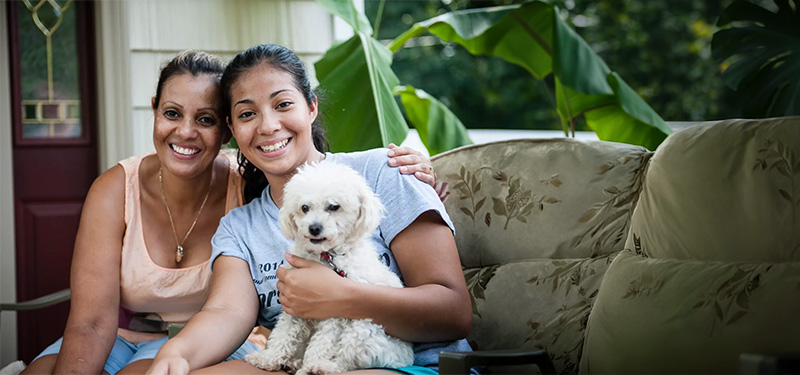
This report uses woman as an expansive, inclusive term—recognizing gender as lived and shaped by social, economic, and political systems, not just biology or legal categories. Throughout, references to women reflect shared conditions and inequities experienced by cisgender women, transgender women, and gender-expansive people whose lives align with womanhood, while also acknowledging the limits of available data and affirming the importance of lived experience.
A report about real life, not just about numbers
At first glance, this report looks like data. It includes charts, trends, and indicators about income, housing costs, childcare access, education, and employment in Forsyth County. But underneath the numbers is a deeper question:
Who in our community gets to feel stable and who is constantly calculating risk just to get through the day?
Economic well-being is not only about money. It is about time. It is about safety. It is about mental health. It is about whether you can imagine a future without constant fear or exhaustion. This report looks at those conditions through a gender lens, recognizing that women, particularly Black and Latine women, single mothers, immigrants, LGBTQ+ people, caregivers, and women living with disabilities, experience these pressures more intensely and more often.
Built with community, not just about community
What makes this Gender Lens report different is not only what it examines, but how it was created.
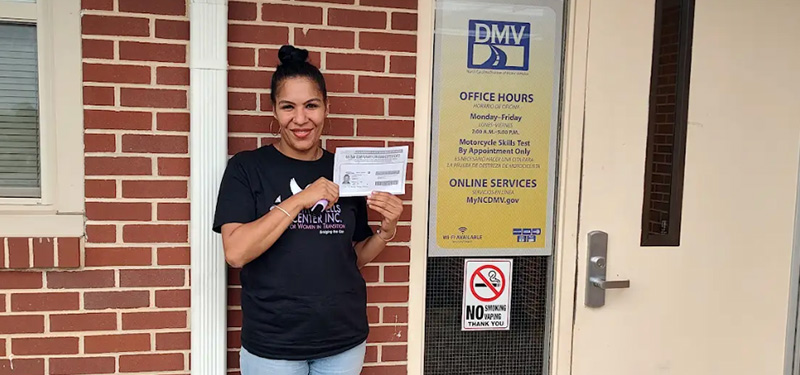
For the first time, this report was shaped through a community-based participatory research process. A cohort of women and people with lived experiences aligned with womanhood, most of them mothers living in Winston-Salem and Forsyth County, partnered with researchers to guide the work from start to finish.
These community members helped define what “thriving” actually means in real life. They identified the issues that matter most. They selected the measures. They reviewed the data. They interpreted the findings. And they told us what readers need to understand — not just statistically, but in human terms.
This approach recognizes something essential: the people most impacted by inequity are not just subjects of research — they are experts.
A note on the ‘Community Cohort’
The Community Cohort is referenced frequently through this report given their central role in its development. Sometimes they may be referred to as the ‘cohort’. Other times they may be referred to as the ‘community cohort’ or even the ‘CBPR cohort’ for Community-Based Participatory Research. However they are referenced, they are the one and only cohort that guided and directed this body of research.
Learn more about how this report was made and the role of the cohort.
Seeing what data alone cannot show
Data can reveal patterns. It can highlight disparities. But it cannot always capture pain, fear, resilience, or hope. It cannot fully show what it feels like to choose between rent and childcare, or to work full-time and still live below the poverty line, or to navigate systems that were never built for your family or identity.
This report is honest about those limitations. Some experiences — especially those of Black women, trans and nonbinary people, undocumented women, and others whose lives do not fit neatly into existing datasets — are not fully visible in public data. Rather than ignoring those gaps, this report names them and invites community voices to help fill them.
Throughout the report, you will find qualitative findings from interviews and focus groups, along with reflections from guest columnists who bring lived experience and community knowledge to what the numbers cannot show on their own.
Why this report matters now
A lot has changed since the 2020 Gender Lens Report was published. Costs have risen. Wages have not kept pace. Caregiving demands have intensified. And for many women, social and political conditions have become more hostile, creating fear that seeps into daily life, work, school, healthcare, and home.
At the same time, women in Forsyth County continue to show extraordinary creativity, care, and resilience. They build informal support networks. They adapt. They endure. But resilience should not be the price of belonging.
This report challenges us to move beyond admiration for how much women carry and toward accountability for why they have so much to carry in the first place.
Your invitation
If you live in Forsyth County and identify with womanhood, this report is for you. And if you believe, quietly or boldly, that people of all genders deserve equal opportunity, safety, stability, and dignity, this report is for you too. It is a starting place: a practical, local entry point into understanding how gender shapes our lives, our work, our families, and our communities, and how inequality across the sexes is not a personal failure, but a systemic one we all have a role in changing.
We invite you to read with curiosity and care, and to use what you learn. This report is not meant to live on a shelf or in an “ivory tower.” It’s meant to be a practical tool for real decisions: the policies we pass, the budgets we approve, the programs we build, the wages we set, the supports we fund, and the way we show up for families and communities.
As you read, notice where systems support thriving and where they fall short. Pay attention to whose labor is valued, whose care is treated as private and invisible, and whose needs are dismissed as individual problems instead of shared public responsibilities. Let the data and the lived experiences sit side by side, and ask what they require of us—not just what they reveal.
Then, don’t stop at reflection. Share this report. Bring it into staff meetings, classrooms, board rooms, and community gatherings. Use it to strengthen grant proposals, guide grantmaking, shape advocacy agendas, and ground conversations in what women here are actually living.
Most of all, we invite you to sit with what this report asks of all of us: to build a community where stability is shared, care is collective, dignity is not something women have to earn, and where women don’t have to carry the cost of broken systems alone.
This is just the beginning of the conversation.
A note on language, tone, and style
This report varies across its different parts in language, tone, and style. This is reflective of where the information in the report came from. Qualitative data, comments from the Community-Based Participatory Research (CBPR) Cohort, and guest columnists reflect the language, voice, and tone of residents who shared their stories and perspectives with us. Similarly, when working with survey and administrative data, analysts used the language that residents selected when completing surveys or enrolling in services to respect how they self-identified. Different language is used to describe race, ethnicity, gender, and sex across these different sources, and the language used reflects that.
The Women’s Fund of Winston-Salem has adopted a gender-expansive understanding of “women” for the purposes of our work, reflecting our commitment to being inclusive of those most impacted by gender-based inequities. We use the term woman expansively, recognizing the diverse identities and lived experiences of people who face gender-based inequities. This includes cisgender women, transgender women, nonbinary, and other gender-expansive people who identify with or have lived experiences aligned with womanhood.
Our intent in adopting this definition is to honor the self-identification of people experiencing gender-based inequities, particularly as it relates to the economic security of women, girls, and others impacted by these inequities. We also seek to ensure that our funding, research, and programming reflect the diverse realities, leadership, and contributions of those most impacted—while acknowledging the compounded inequities faced by women of color, trans women, and people living at multiple marginalized intersections.
At the same time, we recognize that much of the data available for research and reporting relies on categories such as sex assigned at birth, which do not fully capture the breadth of gender identity or lived experience. In this report, we name those limitations while affirming our belief that recognizing diverse gender identities in our work—and continually working to do so more fully—is essential to advancing equity.
We recognize that adopting a definition is one part of a broader, ongoing practice of living into our values. This report represents one step in a community-centered process to align our research, grantmaking, advocacy, and internal practices with those values. As a Fund, we are actively investing in learning, relationship-building, and shared leadership to support this evolution and to deepen our collective capacity to live out this commitment with care, accountability, and intention.
Key Findings from the Quantitative Data
The following key findings were identified from the report’s body of quantitative research by the Community Cohort.
Black and Latine women are not the only women facing barriers in pursuing economic security, but they experience more significant disadvantages and disparities across a wide variety of factors.
- For example, between 2019 and 2023, white females earned about 87 cents for every dollar earned by white males, and Black and Latine females earned 57 cents and 53 cents, respectively.
- Half of households headed by Latine and Black residents that needed childcare would need to spend 28% and 20% of their income or more for high-quality childcare, respectively. For households headed by white residents, this number is 10%.
- About 30% of Black females lived in households with enough income to purchase a median-value home in Forsyth County, compared to 60% of white males.
Women, particularly Black and Latine women, experience significant disparities in income, even when they achieve high levels of education.
- For example, white males who have not completed high school have almost the same median income as Black and Latine females with bachelor’s degrees, and the median income of white males with bachelor’s degrees is almost twice that of Black and Latine women with bachelor’s degrees. These same disparities continue to exist for those with graduate and professional degrees, but they are much smaller.
- One cohort member observed, “We were sold the dream of a bachelor’s degree, which is almost like a GED at this point as far as marketability,” challenging the assumption that “making the right decisions” and pursuing an education guarantees economic security.
- The cohort also observed that this creates a disincentive for some families to pursue higher education: “There are some families who see that you could just start making money.”
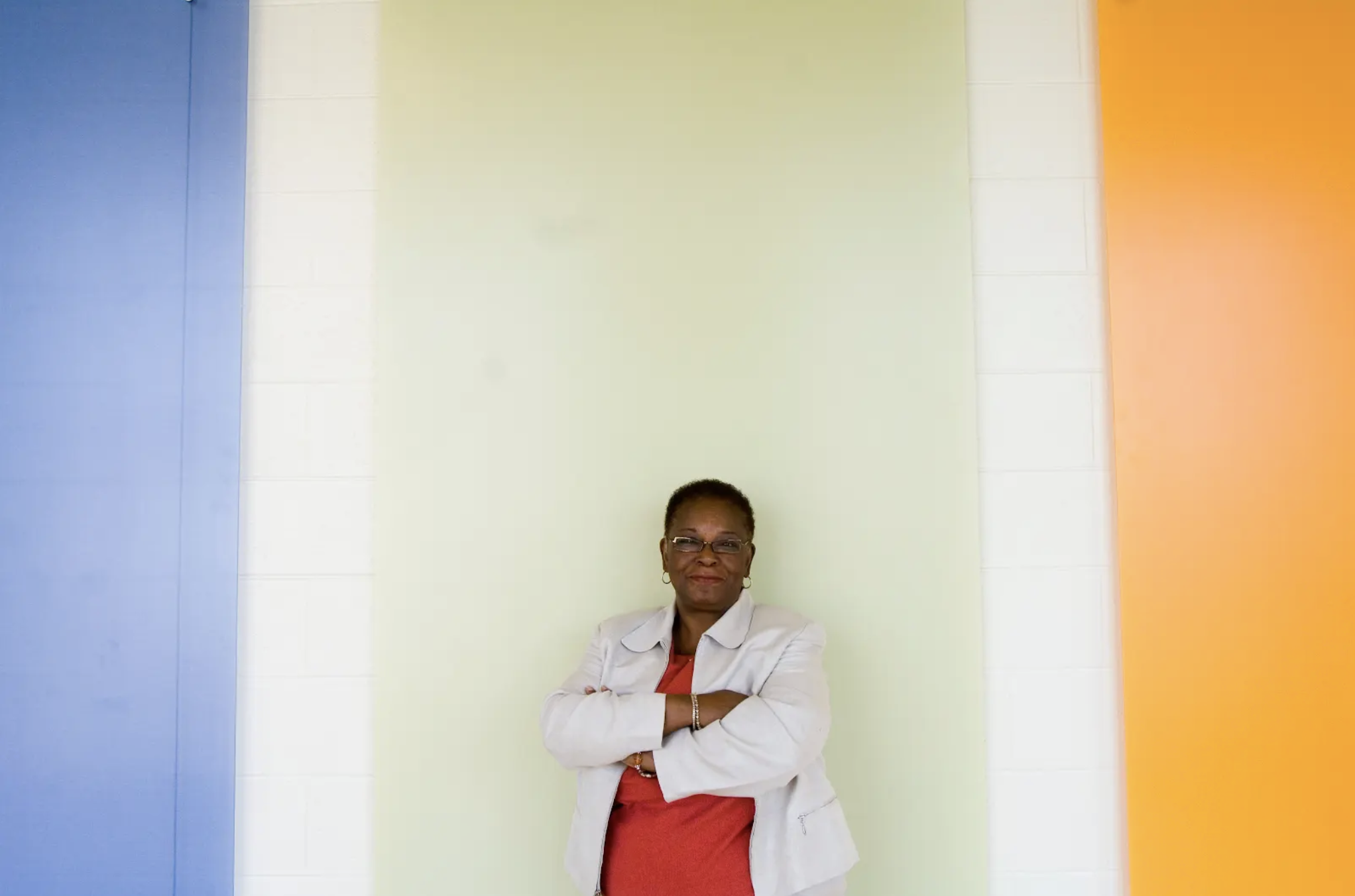
Importantly, the cohort echoed this finding in the stories they told during the qualitative interviews and focus groups:
- “Black women, single mothers, immigrants, divorced women, disabled women, and women with low credit or rental history experience layered barriers.”
- “The same rent, tuition, or wage has very different consequences depending on race, caregiving load, immigration status, and past experiences with violence or instability.”
- “For some Black families, it is impossible to find a home that is affordable, safe, and culturally affirming at the same time.”
“They gave up a culturally affirming environment and social-emotional safety for their children in exchange for greater physical safety and higher costs.” - “Economic stress never appears alone. It is always entangled with race, language, gender, and disability.”
The cohort also identified a clear need for those addressing poverty and economic insecurity to focus on addressing issues holistically, instead of using a siloed approach: “We need to be clear about how everything is interconnected. That is the story of poverty.”
As a hypothetical example — One woman may have initially struggled to find a job. She may have experienced discrimination in the hiring process.
Once she found a job, she also needed childcare. She may be in a community that is technically surrounded by childcare facilities, but they may not have openings. If she finds an opening, it may not be affordable at all, or it might put a significant strain on her family’s resources to pay for that childcare, compromising her ability to meet other needs and save for emergencies.
If she is able to find childcare that she can afford, she still has to have access to transportation that allows her to take her child to childcare and get to work on time.
The cohort noted that sometimes the community understands these barriers, but doesn’t know enough to connect the dots. To realistically address barriers to economic security for women, particularly Black and Latine women, the community needs to understand this and not assume that “as long as this one thing is taken care of, we should be good. You should be thriving.”
Key Findings from the Qualitative Data
Qualitative findings are built from in‑depth conversations with the community cohort. Their stories show a clear pattern: women are doing everything systems ask of them—working, budgeting, parenting, seeking help—yet stability remains fragile. What fails is not their effort, but the systems around them. Below are key findings from across the report’s full body of qualitative data. Additional findings, quotes, and excerpts from the qualitative are interwoven throughout the report.
Systems don’t work for women at the intersections.
Black women, single mothers, immigrants, divorced women, disabled women, and women with low credit or rental history experience layered barriers. The same rent, tuition, or wage has very different consequences depending on race, caregiving load, immigration status, and past experiences with violence or instability.
Survival, not stability, is the norm.
Across housing, wages, and childcare, participants describe conditions that allow them to avoid immediate crisis, but do not allow savings, rest, or recovery. One woman captured the sentiment shared across interviews: “I don’t even know how anyone’s supposed to save… I feel like everyone’s kind of bleeding dry at this point.”
Intersectionality: These Challenges Are Not Experienced Equally
Intersectionality helps us see how systems of power, such as racism, sexism, class inequality, ableism, and immigration status, interact to shape people’s lived realities. It helps us to recognize that these systems operate together, often creating distinct burdens and/or advantages for those living at their intersections, and that the insights of people most affected must guide solutions. While the examples in this report focus on several identities and life circumstances, they are not a comprehensive list of all the intersecting identities that shape how these challenges are experienced.
- Black women face unique tradeoffs between safety, affordability, and racial belonging for their children in schools and neighborhoods.
- Single mothers carry full responsibility for housing, childcare, and transportation, with no second income or co‑signer to buffer shocks.
- Divorced women starting over encounter policy gaps that deny them first‑time buyer support or other benefits on technicalities.
- Immigrant and bilingual women confront language shaming, devaluation of their skills, and added housing and workplace risk.
- Women with disabilities or chronic health needs experience instability (in wages and housing) as a direct threat to their health.
- “These challenges are not experienced equally.” Any policy or program that ignores race, caregiving status, immigration, disability, or family structure will miss how systems actually land in women’s lives.
“Choice” is often an illusion.
Whether in schools, child care, housing, or jobs, what looks like “choice” from the outside is usually a set of forced tradeoffs made within the limits of low wages, high costs, debt, racism, and caregiving demands.
Despite inequities, women are leading with creativity and care.
Women are constantly problem‑solving—patching together housing, adjusting work schedules, building informal support networks, and insisting on dignity and community even under extreme constraint.
Caregiving is invisible infrastructure.
Child care, elder care, and family support are treated as private problems, not as essential infrastructure. When care is externalized to families, wages lose their meaning, housing becomes fragile, and women’s time and health are stretched to the breaking point.
What This Research Calls Us to Do
Women in this study are clear: real stability requires systems that share responsibility for risk, care, and safety, rather than expecting individual women to keep absorbing it alone. Their stories call funders, policymakers, employers, and community leaders to:
Invest in housing strategies and school systems that prioritize safety, racial belonging, and care—not just unit counts or test scores.
- Tie wage, childcare, and housing initiatives together, recognizing they are inseparable in practice.
- Redesign workplaces around care‑centered principles so that life events—birth, illness, caregiving transitions—do not become economic disasters.
- Bring women—especially Black women, single mothers, immigrants, survivors, and disabled women—directly into decision‑making about policies and programs.
Elevating Missing Voices
From the earliest conversations with the Community Engaged Research Cohort, we approached this report with care and intention around a critical question: Whose stories might be missing?
Much of the quantitative data included in this report comes from federal sources such as the U.S. Census Bureau’s American Community Survey (ACS) and emergency department data. While these datasets are robust, they have important limitations. Many commonly marginalized identities and lived experiences are underrepresented—or entirely absent—because they are not collected. For example, the Census does not gather information about respondents’ gender identity, which means that data about gender-expansive individuals is not available in public Census datasets. These gaps matter.
It was critically important to both project partners and the Cohort to intentionally identify perspectives that might be omitted and make a meaningful effort to include them. From that commitment, the Guest Columnist approach was developed.
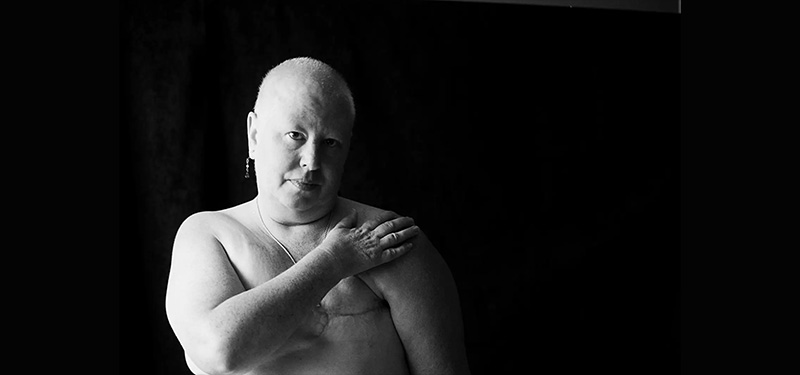
As potentially omitted perspectives were identified, the project team worked through personal networks and community partnerships to connect with individuals who hold direct knowledge and experience related to those perspectives. In many cases, we sought not only individuals with lived experience, but also individuals with broader community knowledge. For example, rather than inviting only a single parent of a child with special needs to share their story, we reached out to Chris Gentry, Director of The Family Support Network with The Centers for Exceptional Children. Through decades of work with children and families across Forsyth County, she brings insight into the diverse and nuanced realities facing families raising children with special needs. The result is a column that reflects complexity and demonstrates that no community is a monolith.
Each guest columnist was compensated for their contribution and supported by the project team in drafting a piece in the style of a personal essay. Columnists were encouraged to write in their authentic voice, without rigid formatting or stylistic constraints. As a result, the columns vary in tone and approach, reflecting the individuality of each contributor.
This is a part of the report we are especially proud of. By weaving lived experience alongside data, we aim to elevate stories that numbers alone cannot tell. Excerpts and quotes from the guest columns appear throughout the research topic pages, and the full essays can be read on the Guest Columns page.
Creating the 2026 Gender Lens Report
Who made this report?
The Women’s Fund of Winston-Salem, a strategic initiative of the Winston-Salem Foundation, commissioned this report on the economic well-being of women and girls in Forsyth County. Following a call for proposals, the Women’s Fund selected local Forsyth County nonprofits Action4Equity and Forsyth Futures to produce the report collaboratively using a community-based participatory research methodology.
Learn more about these partners in their own words — as part of the process to produce the Gender Lens 2026 report, each partner drafted a foreward towards the end of the production process. The forewards serve to share their unique perspectives on what it was like to collaborate on a report like this, why this report is significant, what they learned, and how they grew through the process. Click below to read each organization’s foreward:


How we built this report
This report was developed using a community-based participatory research (CBPR) approach that centers lived experience alongside data. A cohort of women and people whose gender experience aligns with womanhood from Winston-Salem and Forsyth County—intentionally centered on Black and Latina participants and representing a range of income levels—worked in partnership with researchers to identify priorities, select and interpret measures, and define the report’s key findings. Through interviews, a focus group, and collaborative review sessions, cohort members shaped what was studied, how data were analyzed, and what conclusions mattered most. Where existing data could not reflect certain experiences, such as gender identity, the cohort identified missing perspectives that were addressed through guest columns from community members with lived expertise. This process ensures the findings reflect both rigorous analysis and community interpretation, and that the report is designed to support real-world advocacy, decision-making, and action.
This report is honest about those limitations. Some experiences — especially those of Black women, trans and nonbinary people, undocumented women, and others whose lives do not fit neatly into existing datasets — are not fully visible in public data. Rather than ignoring those gaps, this report names them and invites community voices to help fill them.
Throughout the report, you will find qualitative findings from interviews and focus groups, along with reflections from guest columnists who bring lived experience and community knowledge to what the numbers cannot show on their own.
A note on immigration
The CBPR cohort identified the need to provide context about immigration in Forsyth County and how immigration overlaps with other demographic information.
The graphs below show the percentage of residents in each demographic group who are citizens by birth, citizens by naturalization, and residents who are not citizens. A citizen can be a citizen by birth if they are born in the United States or if they are born to U.S. citizens abroad. Citizens by naturalization are people who have immigrated to the United States and become citizens.
Data Visualization
Percentage of Residents by Immigration Type and Demographic Group (2019-2023)

Between 2019 and 2023, about 91% of Forsyth County residents were citizens by birth, about 3% were citizens by naturalization, and about 6% were not citizens. The Census Bureau does not collect information on the legal status of residents, so it is not possible to use this data to differentiate between residents who are not citizens by legal status.
The cohort expressed that it was particularly important to address the potential assumption that the majority of Latine residents are immigrants. The majority of Latine residents in Forsyth County, 73%, are citizens. It is also important to note that the non-citizen population of Forsyth County itself is relatively diverse. The graph below shows the racial and ethnic makeup of non-citizen residents of Forsyth County.
Data Visualization
Racial and Ethnic Makeup of Non-Citizen Residents of Forsyth County (2019-2023)

Topics identified for additional research
Over the course of the research project, the community cohort identified many topics of relevance and importance. Not all of these topics were able to be addressed due to scope and resource limitations. These topics were recorded and are presented here as opportunities for additional research.
Access to Childcare
- Access to culturally relevant care
- Public funding for childcare
- Availability of infant care options
- Length of waitlists for childcare
- Teacher to-child-ratios
- Relationship between access to childcare and workplace performance
- Relationship between access to childcare and mental health outcomes for working parents
- Relationship between access to childcare and ability to complete education
- Number of childcare facilities linked to places of employment
- Number of families receiving subsidies
- Joyful and nurturing environments for children
- Family perception of facility safety and reliability
Affordable Housing
- Cost of living compared to wages
- Ability to access capital and build savings
- The impact of application/deposit/admin fees on housing access
- The impact of credit and co-signer issues on housing access
- Discriminatory landlord practices
- Quality of available and affordable housing, particularly pests, mold, and safety
- Impact of housing and housing stability on mental health
- How homeownership is being leveraged for income and wealth
- Community support available in neighborhoods
- How happy community members are with their housing
- Impact of housing on generational wealth
- Number and demographics of people denied mortgages
Equitable Education
- Cost of education
- Student loan debt
- Relationship between family obligations and education
- The extent to which schools are funded equitably
- Support for parents with children with disabilities
- The impact of language barriers on education
- The affordability of job training and degree programs
- How K-12 quality impacts long-term educational and career outcomes
- Access to financial aid
- How education impacts social mobility
- How education impacts the ability to build wealth
- What community-based education programs exist?
- How inclusive are classrooms and support systems?
- How much access do students have to culturally relevant curriculum?
- What opportunities exist for adult education?
Fair Wages and Employment
- Unpaid care work
- How does discrimination in hiring impact wages & employment?
- To what extent do workers have access to paid leave and parental leave?
- Underemployment
- Workplace harassment
- Mentorship opportunities
- Wage theft and inconsistent pay
- Relationship between wages and mental health
- Job security and benefits
- Demographics of government and philanthropic leadership positions
- Opportunities for growth into leadership roles
- Opportunities for promotion
- Access to training/certifications
- Flexible work environments
Conditions that Shape Thriving
- Rate of local emergency department usage for mental health diagnoses by gender identity and sexual orientation